

 Facebook
 X
 Threads

The Project
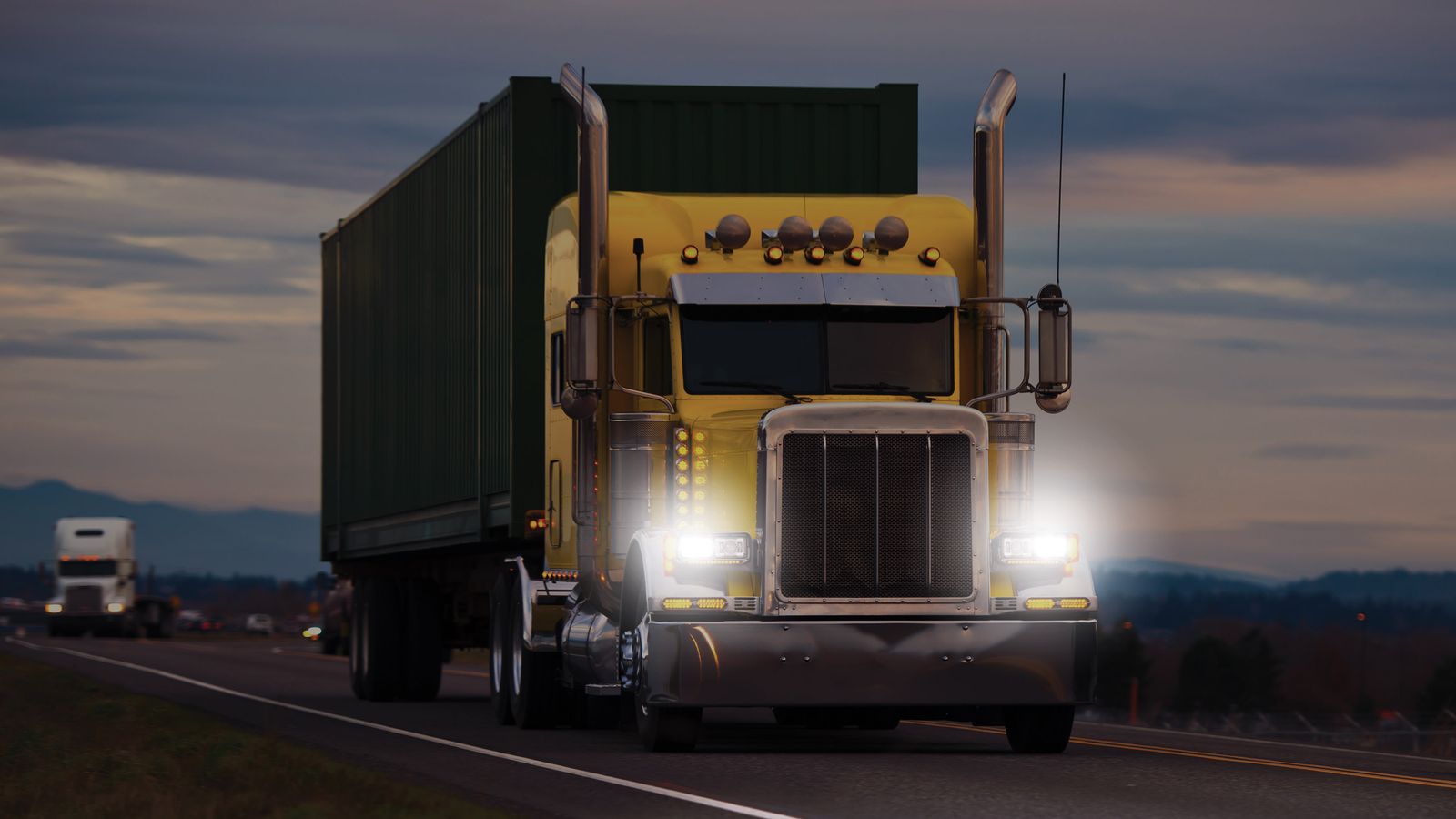
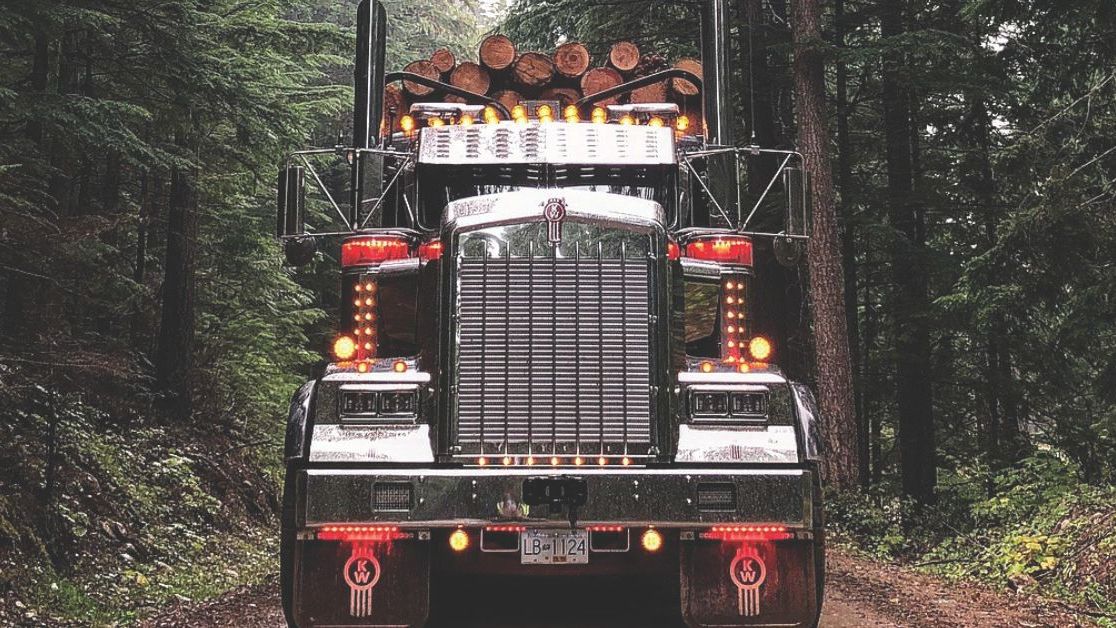
J.W. Speaker is a family-run lighting manufacturer in Germantown, Wisconsin, and it sells to vehicle makers and to the aftermarket. It introduced the Model 8800 Evolution, a 4x6 LED headlight for heavy trucks, and rival brands soon launched their own lights for the same opening. J.W. Speaker asked KAIA to design a new face for the 8800, in every version it sold. J.W. Speaker engineered the optics, the LEDs and the heater, chose the design, and builds the light.
Credit: KAIA | Solberg Design
The Challenge
Every 4x6 LED headlight fits the same opening in the truck, takes the same plug and meets the same safety standard. On a dealer's shelf or in a catalog, they look a lot alike, and two rival brands had launched 4x6 LED headlights of their own. When buyers can't see a difference, they buy the cheaper light, and the better engineering in the 8800 goes unrewarded.
The Solution
Solution: Sell at a higher price
Your product may be better engineered than the competition, but the difference is on the inside, where buyers can’t see it. So they compare prices instead.
Good industrial design makes that quality visible from the outside, in the shape, the details and the finish. Buyers can see that your product is better before they ever read the spec sheet, and that gives them a reason to pay more.
Why it pays:
- Buyers pay more for good design. Research shows it raises what buyers will pay and how likely they are to buy.
- A little more price goes a long way. Sell for 10% more with the same engineering and tooling, and you earn more than 50% more profit over the product’s life. (These are example numbers from KAIA’s cost model.)
What KAIA did
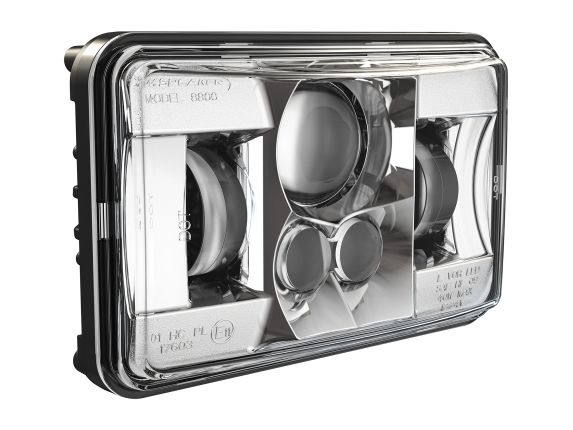
- We started from the optics. J.W. Speaker's engineers had already set the layout: one large projector above two small projectors, with an optic on each side. Every concept we drew framed that layout so buyers could see it.
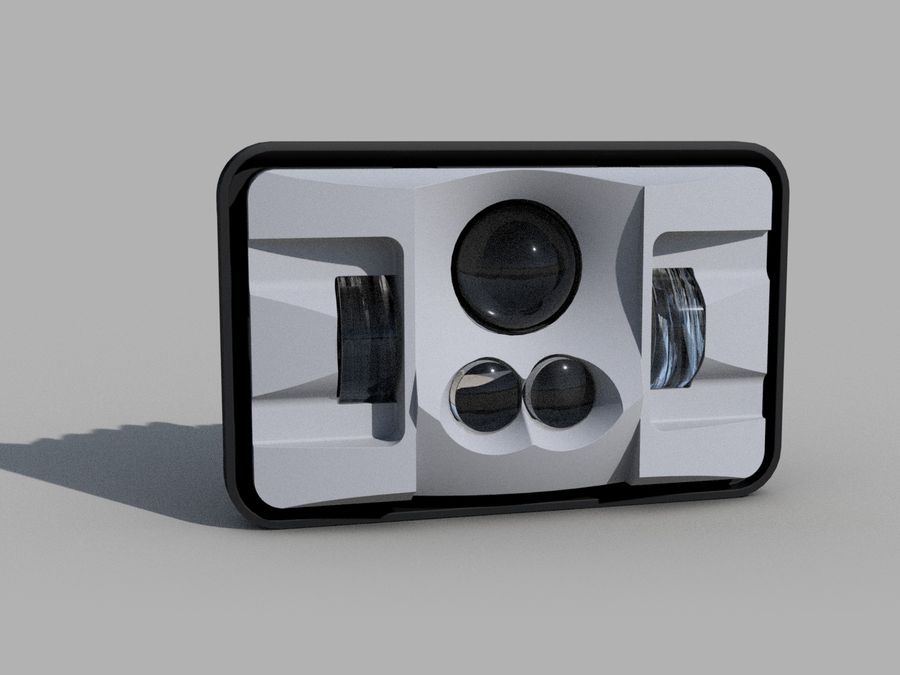
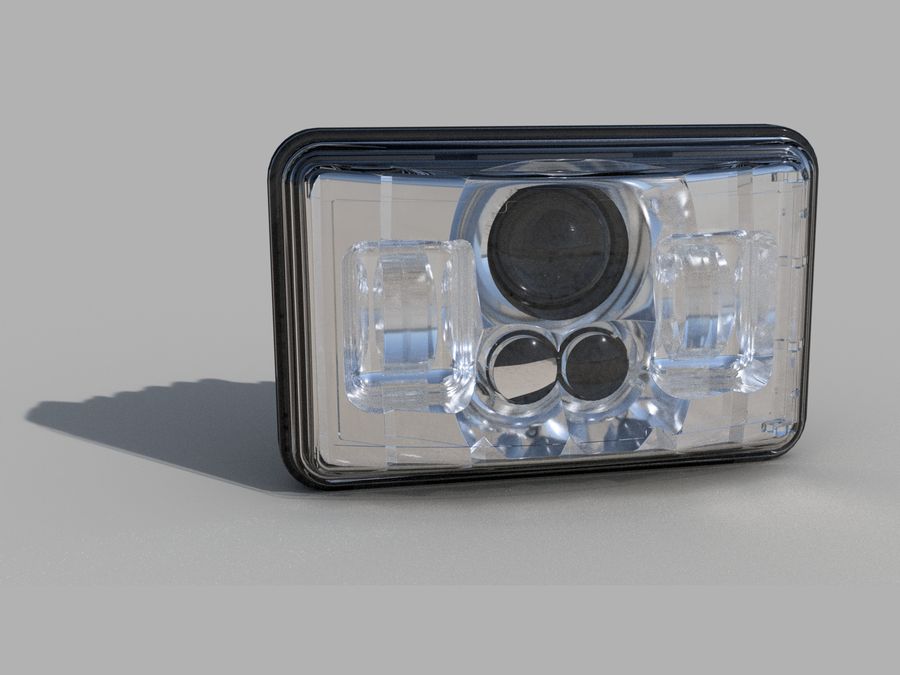
- We made the engineering easy to see. The bezel gives the projectors a clear, dark frame and sets the side optics in their own windows, so the quality of the light shows on a shelf even when it's switched off.
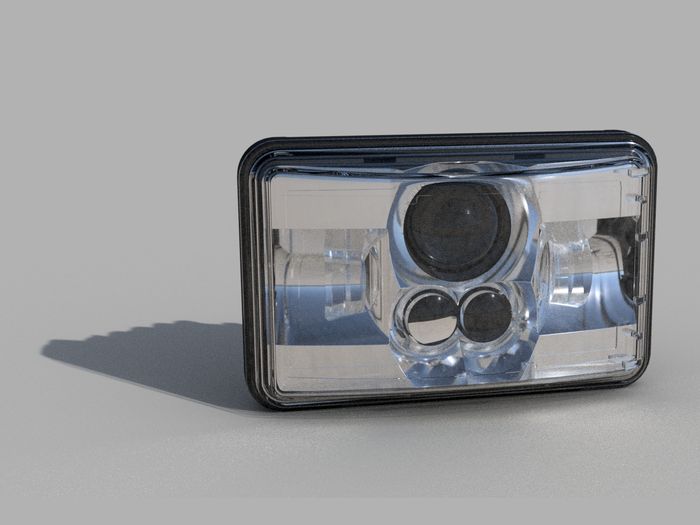
- We judged it the way buyers do. We rendered each concept with the lens on, the way a buyer sees it in a catalog or on a dealer's wall.
A higher price is easier to hold when buyers can see what they're paying for.
"They really do look amazing."An owner who fitted heated black 8800s to a Peterbilt 379, in a review on Raney's. A buyer review, not a client endorsement.
Set a 30-minute call about how to sell at a higher priceBack to the seven results ↑
Solution: Lead your customers back for the next sale
When customers like the first product they bought from you, you want them to find you again when it's time to buy the next one. That happens when your products look like they come from the same company: the same shapes, details and finishes on every model and every version, so customers recognize your brand the moment they see it.
How KAIA does it:
- Set one design language. We choose shapes, details and finishes that customers learn to recognize as yours.
- Carry it through every version. Every size, option and finish looks like part of the same family.
- Use it on the next product. Each new product looks like it came from the same maker.
What KAIA did
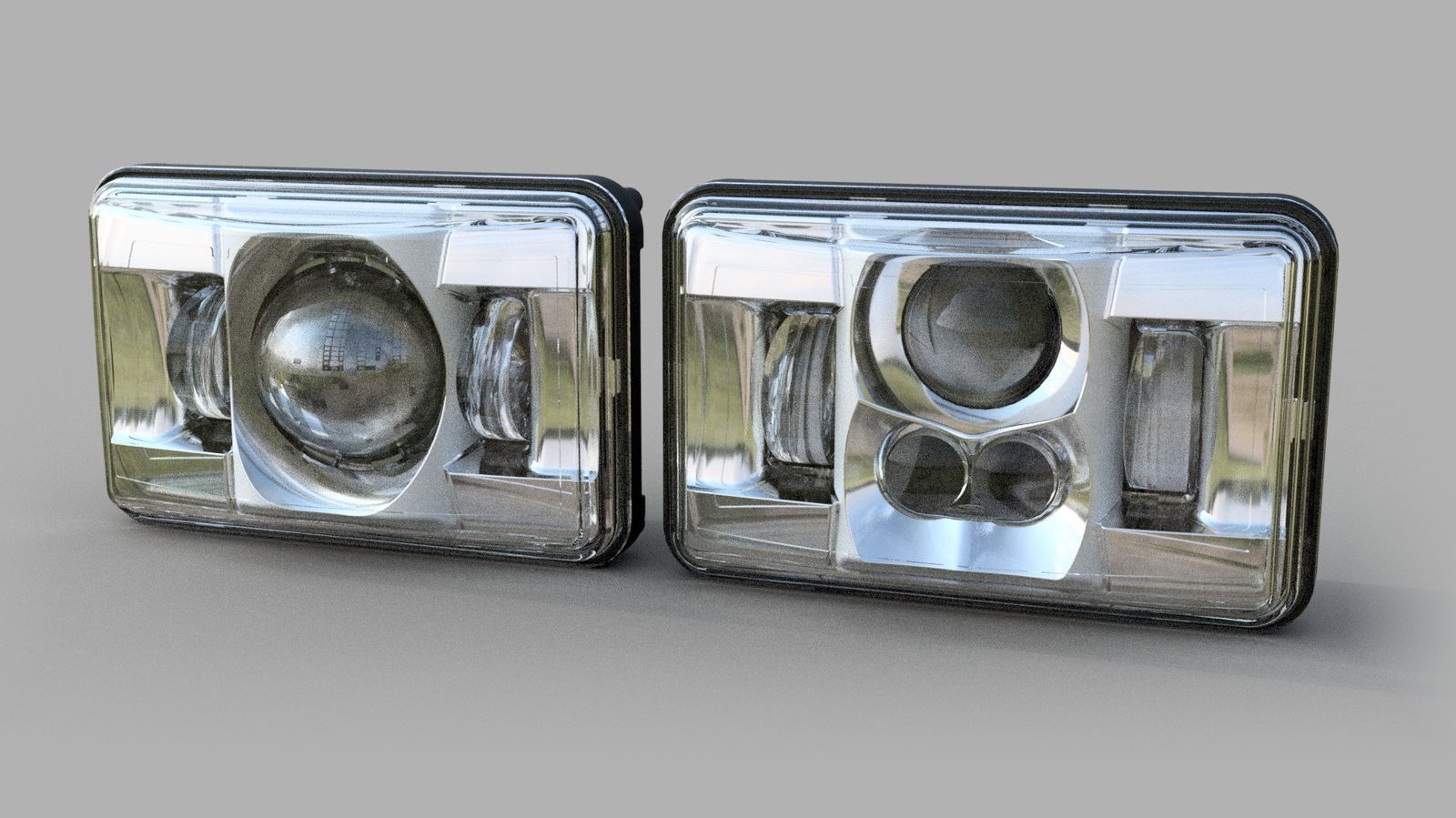
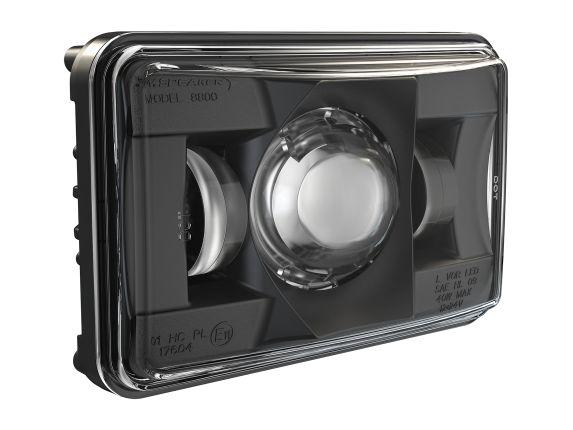
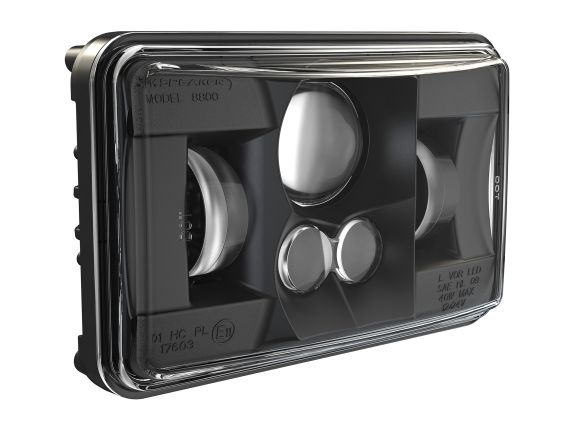
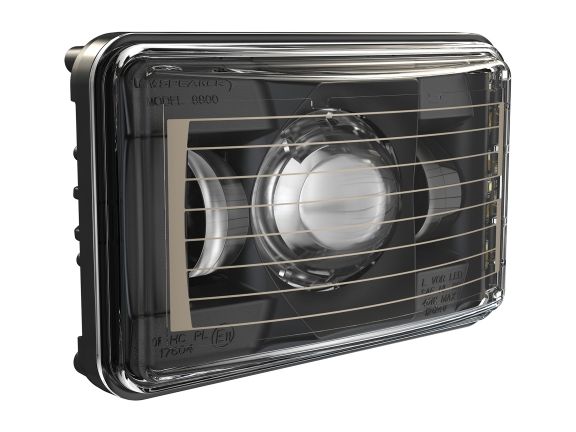
- We refined the low beam and high beam together. We developed the chosen design in both versions side by side, so the two lights look like one design on the truck.
- We kept the same face on the heated versions. The heated versions needed a cut in the bezel for the heater. We modeled them so the heated and non-heated bezels have the same face.
- We used one shape for both finishes. The black and chrome versions share the same face, so a buyer who knows one recognizes the rest.
A supplier becomes popular when buyers can tell its product from the others and ask for it by name.
Set a 30-minute call about how to lead your customers back for the next saleBack to the seven results ↑
Solution: Sell more
Most buyers make up their minds about a product in a few seconds, from how it looks on the shelf or on a screen, long before they read the spec sheet. If your product looks like everyone else's, they'll usually buy the cheapest one or stick with the brand they know. A product that looks different, and looks better, is the one they reach for first.
How KAIA does it:
- Explore widely. We sketch many different designs before choosing one.
- Design for the buyer's first look. We give the product a shape that fits its market and stands out next to the others.
- Keep what the engineers built. We design the new look around the parts you already make.
What KAIA did
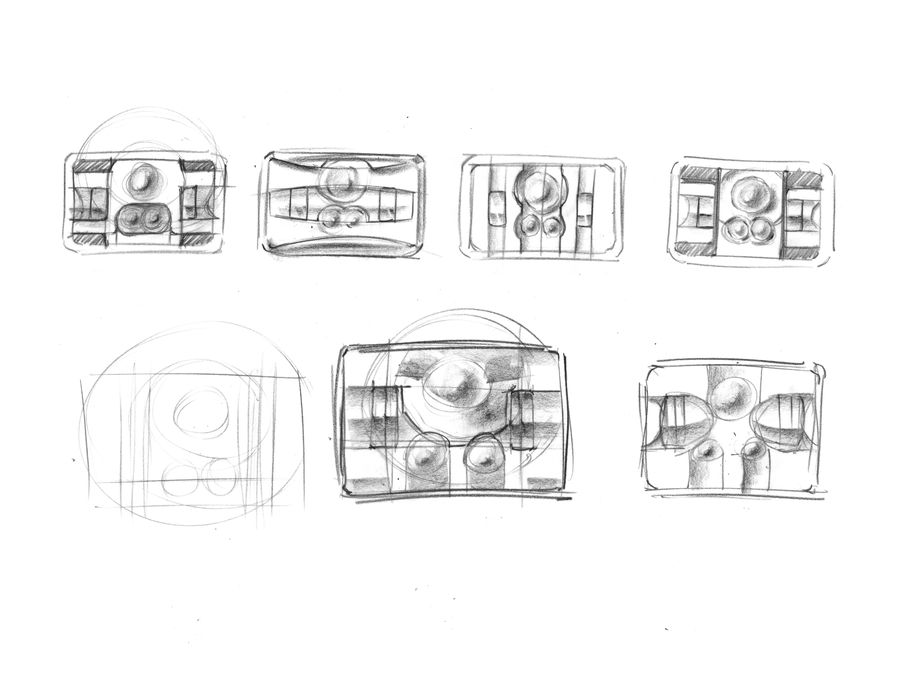
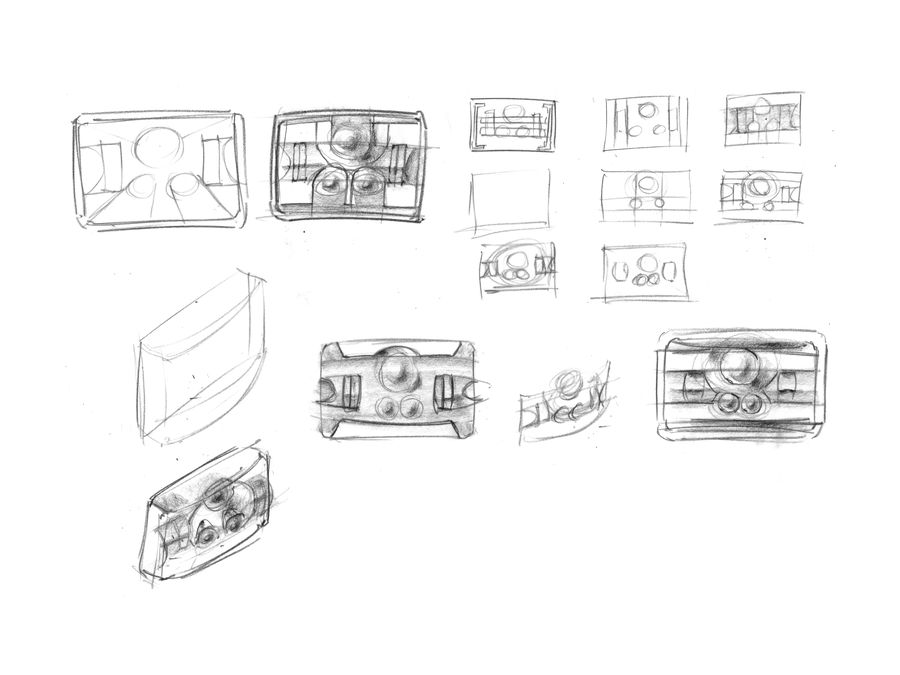
- We explored on paper first. We drew at least 25 small hand sketches, each a different way to frame the same projectors and side optics. A sketch is the fastest way to try an idea and the cheapest way to drop one.
- We rendered the strongest five. We presented five concepts to J.W. Speaker, plus a brighter version of one, each fitted to the same optics.
- We refined the one J.W. Speaker chose. J.W. Speaker picked a direction, and we refined it for production.
Buyers form a first impression of a product, on the shelf or online, before they read a spec or compare prices. Industrial design makes that impression.
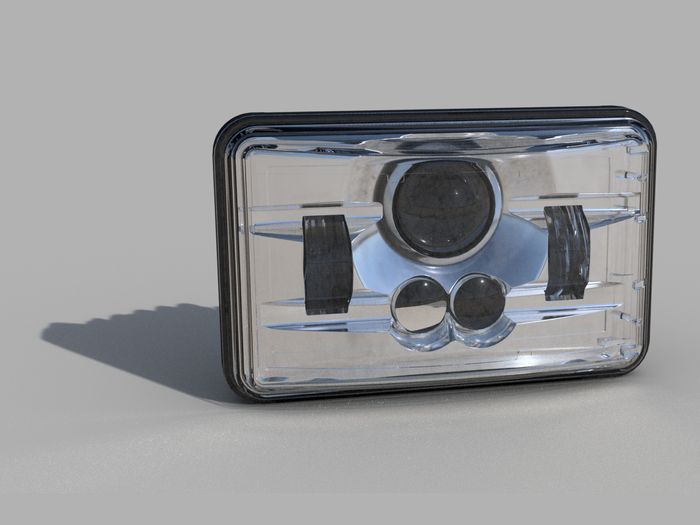
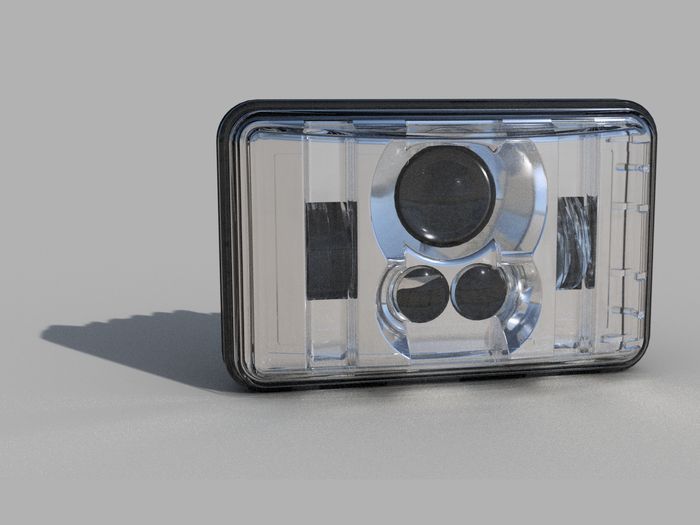
"I get tons of compliments and even more questions about them."The same owner, in a review on Raney's. A buyer review, not a client endorsement.
Set a 30-minute call about how to sell moreBack to the seven results ↑
Solution: Cut the cost and time to build
Most of what a product will cost to make is decided early, in the first design decisions. KAIA's industrial designers work inside the engineering you've already done: your parts, your clearances and your tooling. The design fits what your engineers built the first time, so nothing has to be reworked, and the product gets to production faster without adding cost.
How KAIA does it:
- Start from your 3D models. We design around the parts, clearances and tooling you already have.
- Show your engineers every surface. Your engineers can check the design from every side before any tooling is made.
- Hand back files they can build from. We deliver production files your engineers can use directly, so nothing is drawn twice.
What KAIA did
- We worked from J.W. Speaker's 3D models. We designed from J.W. Speaker's own models of the parts and bezels, so every surface fit the parts it had to go around.
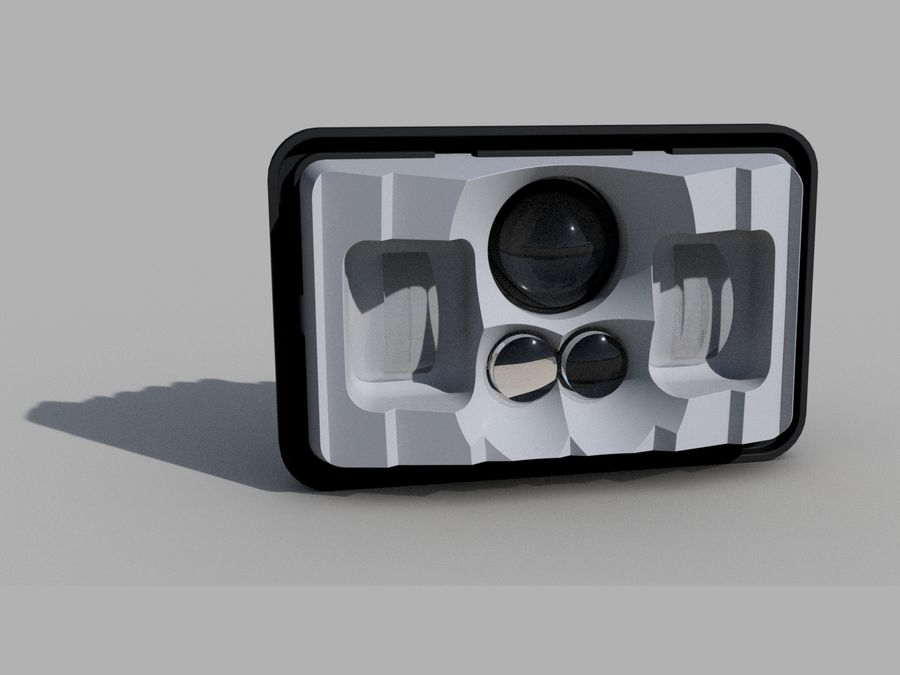
- We showed the engineers every surface. We rendered each concept twice, with the lens on and with the lens off, so J.W. Speaker's engineers could check every surface against the optics, the heater and the wall thickness before any tooling was made.
- We split the modeling with J.W. Speaker's engineers. Its engineers modeled the two non-heated bezels while we modeled the heated versions, and a prototype went to the director of engineering for review.
- We handed back files they could build from. The final design went to the engineers who built the parts for tooling.
Industrial design belongs in the early decisions, working alongside the engineers while the product can still change.
Set a 30-minute call about how to cut the cost and time to buildBack to the seven results ↑
Solution: Reach new markets with technology you already have
You've already paid to engineer your core technology. Selling it into a new market brings in more revenue from that same investment, but only if the new product fits what buyers in that market want.
The result: a product the new market wants, built on engineering you already own.
How KAIA does it:
- Research the market first. Who buys there, how they choose, and what they care about most.
- Design the new product around what you already make. Keep your proven technology and components, and give them the form, features and fit that market values.
- Skip the new engineering program. The hard part is already done, so the new product gets to market faster and costs less to build.
What KAIA did
- We started from the heater's shape. J.W. Speaker's senior project engineer sent us the files for the heater cut and asked to talk through the wall thickness around it.
- We modeled the heated bezels. We modeled the heated low-beam and high-beam bezels from those files.
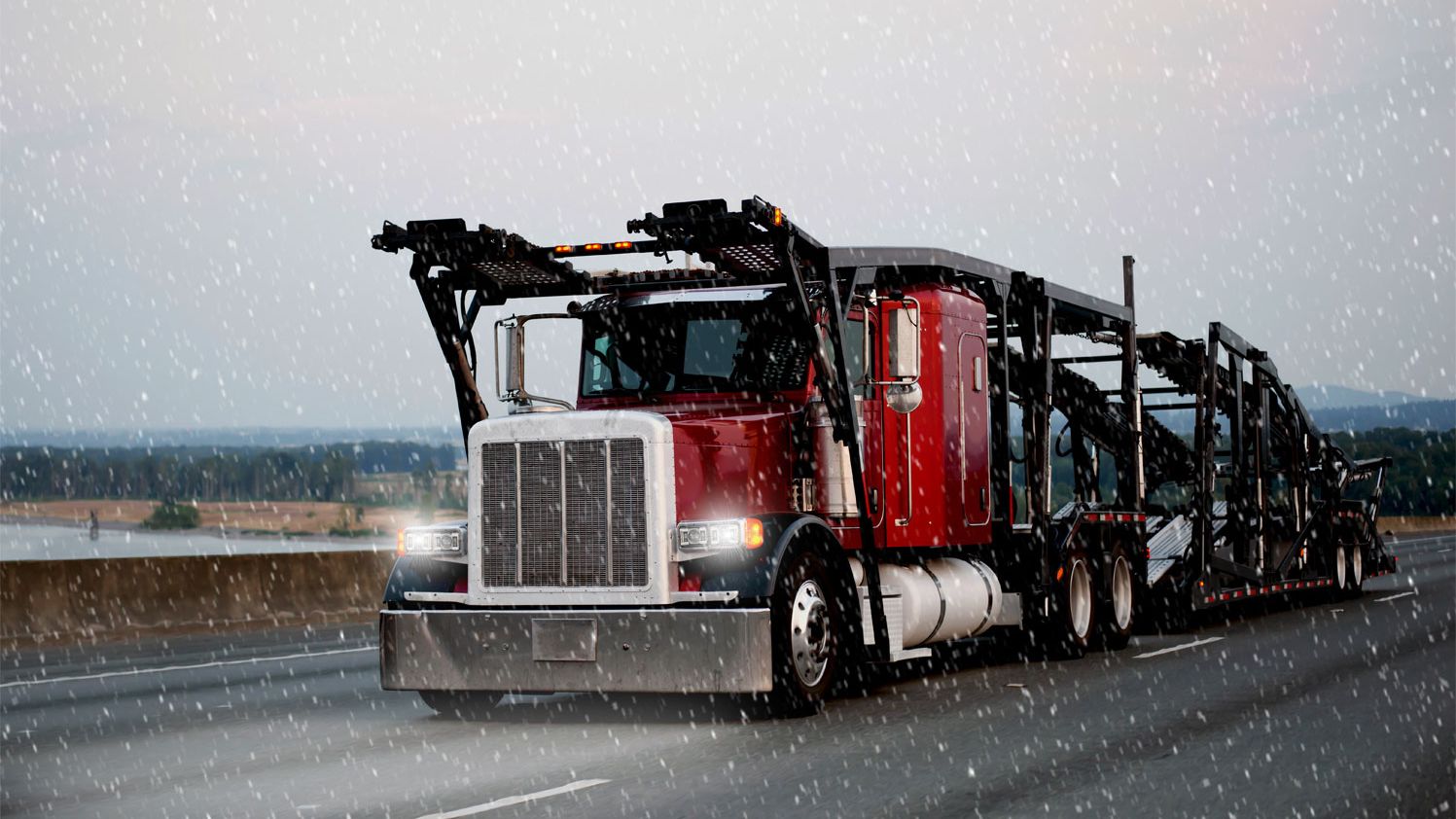
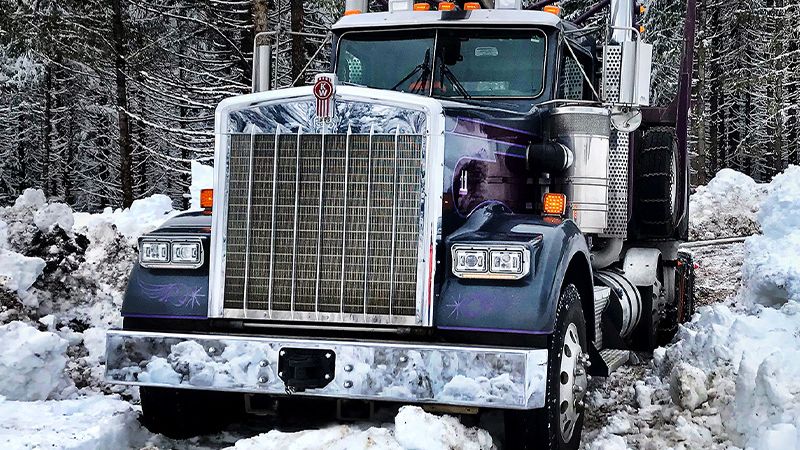
- We kept the same face. The heated versions look like the rest of the line, so fleets in cold climates get the same 8800, ready for ice.
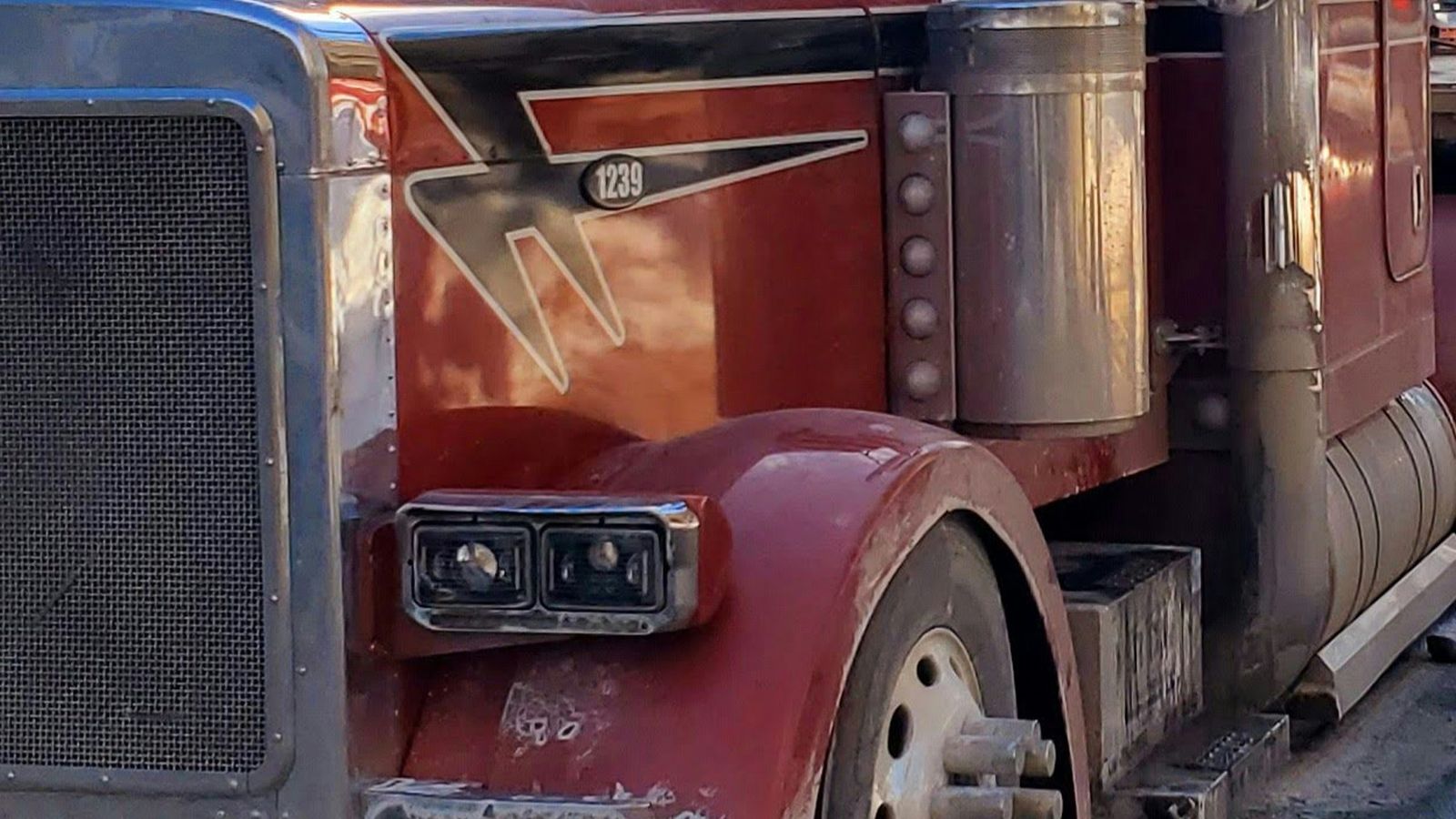
Drivers talk about how a light looks in the same breath as how it performs.
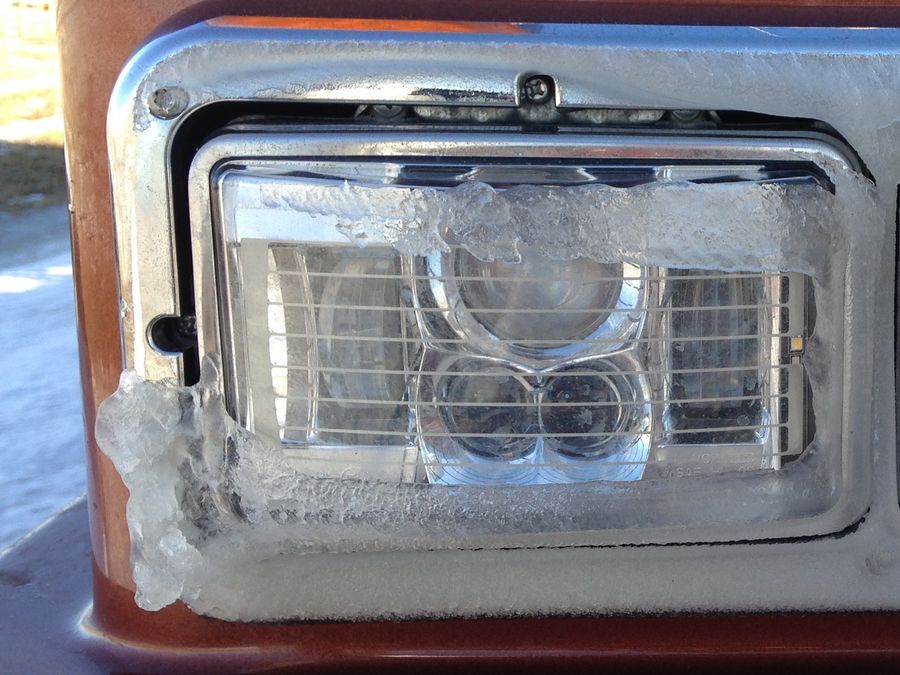
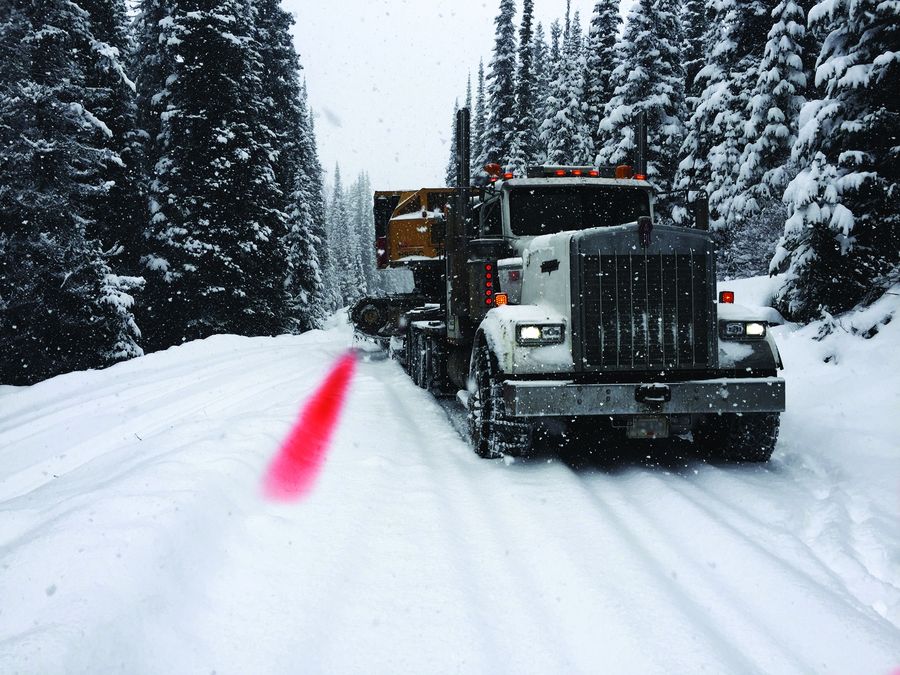
"Works amazing in rocky mtn blizzards."The same owner, in a review on Raney's. A buyer review, not a client endorsement.
Set a 30-minute call about how to reach new markets with technology you already haveBack to the seven results ↑
Solution: Fit every vehicle and meet the rules
Buyers and installers want a part that fits their vehicle without any changes. It has to be the right size, use the mounting points and the connector the vehicle already has, and meet the safety standards for that vehicle, such as the DOT and ECE standards for headlights. If a part has to be modified to fit, or doesn't meet those standards, they'll buy a different one.
How KAIA does it:
- Design to the standard. We design the part to fit the openings, mounts and connectors that vehicles in your market already use.
- Cover every version. One design works for every vehicle and connector your buyers need, so you don't have to design each version separately.
- Leave the certified engineering alone. We shape the outside of the part without moving the components that already meet the safety standards.
What KAIA did
- We left the optics where they were. We designed the face around J.W. Speaker's approved optic layout without moving any of the optics, so every version still meets the standards.
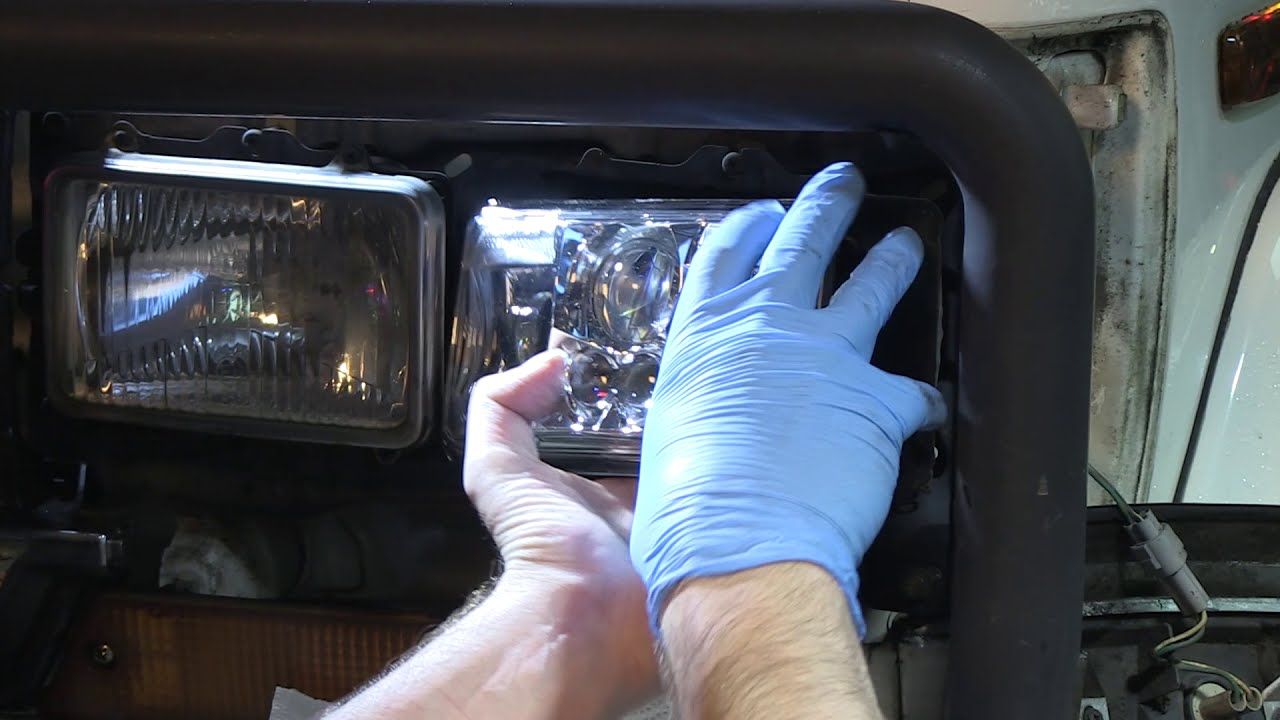
- We designed for the standard opening. The bezel fits the 4x6 opening, so the light drops into trucks built for sealed beams and into classic vehicles with the same opening.
The maker that pays to meet the safety standards sells on the same product page as the one that doesn't, and the buyer can't see the difference.
Set a 30-minute call about how to fit every vehicle and meet the rulesBack to the seven results ↑
Solution: Win OEM programs
When an OEM needs a part, it writes a specification and asks several suppliers to quote. Every quote meets the spec, so the decision usually comes down to price.
You can offer the OEM something the other suppliers don't: industrial design along with your engineering. KAIA works as your industrial design team, so the OEM gets a part that is both engineered and designed for its vehicle, from one supplier. That gives the OEM a reason to choose you for more than price.
Why it wins:
- Your bid offers more than a part. The OEM gets engineering and industrial design in one package, from one supplier.
- The OEM sees the part on its vehicle before it chooses. Designs and pictures made for the OEM's vehicle, with its logo, show its engineers exactly what they'll get.
- Your engineering stays as it is. KAIA designs around your finished parts, so nothing inside changes.
What KAIA did
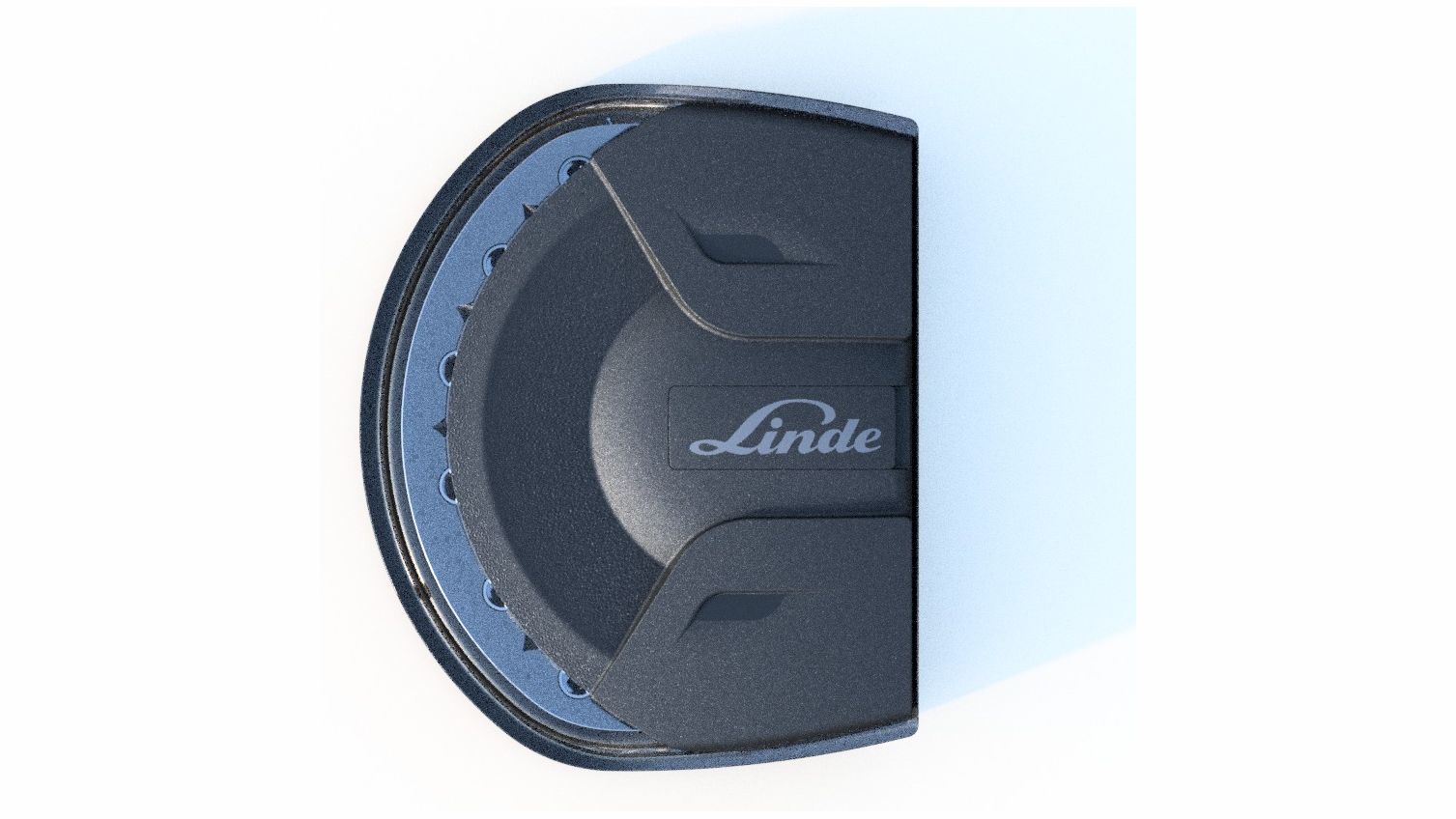
- We designed around the finished parts. We designed a low-profile housing around J.W. Speaker's LED parts, and nothing inside changed.
- We showed the concepts in the OEM's brand. We presented five concepts, each carrying Linde's logo, so J.W. Speaker's engineers could see the light the way the OEM would.
- We made it work for both brands. When J.W. Speaker asked for pictures with its own logo, the same housing carried that too, so one set of tooling serves Linde and J.W. Speaker's own catalog.
- We handed back files they could build from. The design went to J.W. Speaker's engineers as production files, in two connector versions.
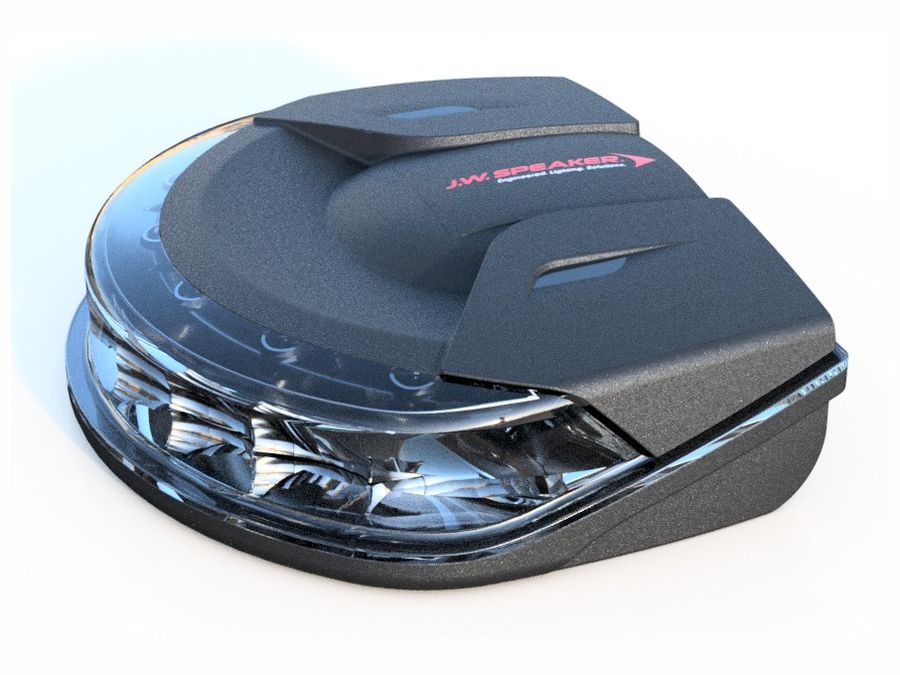
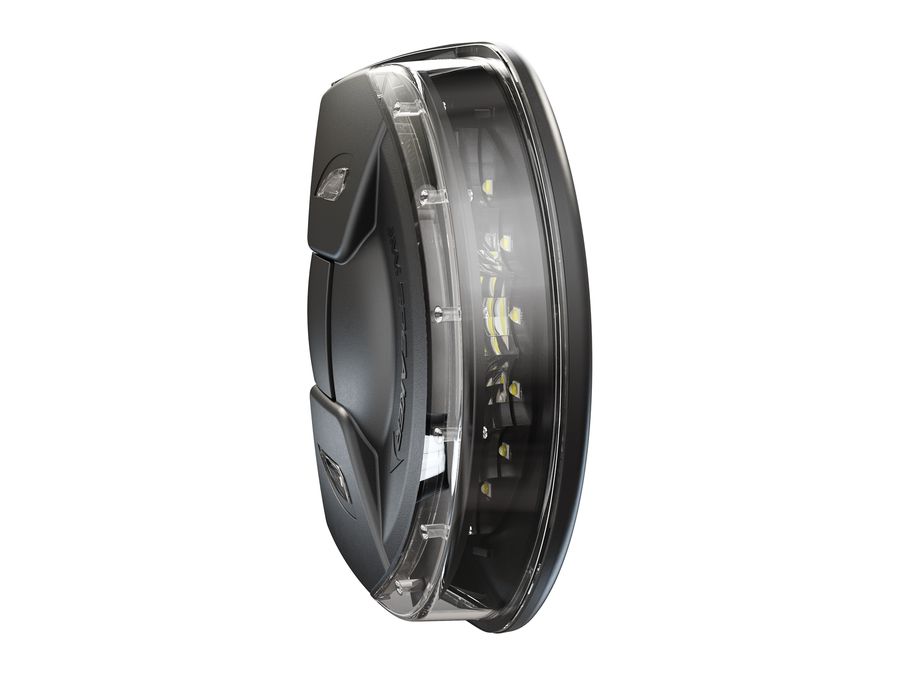
"Would it be possible for you to send renderings like the two below with the JW Speaker Logo?"Senior project engineer, J.W. Speaker
Set a 30-minute call about how to win OEM programsBack to the seven results ↑
The Outcome
J.W. Speaker engineered the 8800, chose the design and still sells it. KAIA designed the face that buyers see first. Here is how the work measures up against each result on this page.
Similar results in other markets
What KAIA didWe designed the bezel for J.W. Speaker's adaptive headlight for Victory motorcycles, giving each set of optics its own sculpted frame.
The resultIt retailed at $529.95, near the top of a market where branded LED motorcycle headlights sell for $140 to $600.
What KAIA didWe designed a low-profile housing around J.W. Speaker's finished LED parts, with a logo plate that carries the OEM's brand or J.W. Speaker's own.
The resultJ.W. Speaker still sells it as the Model 710, at $169.32.
What KAIA didWe designed new lamp concepts that combine two of J.W. Speaker's 90mm lamps in one product, with a mount that works for other lamps too.
The resultThe work led to the Model 93, one light that does five jobs, sold for 13 uses from agriculture to rail.
Sell the better product for what it's worth. KAIA's industrial designers have been designing products for manufacturers for 30 years. Click here to set up a 30-minute call about your next product and the category it competes in.