

 Facebook
 X
 Threads

The Project
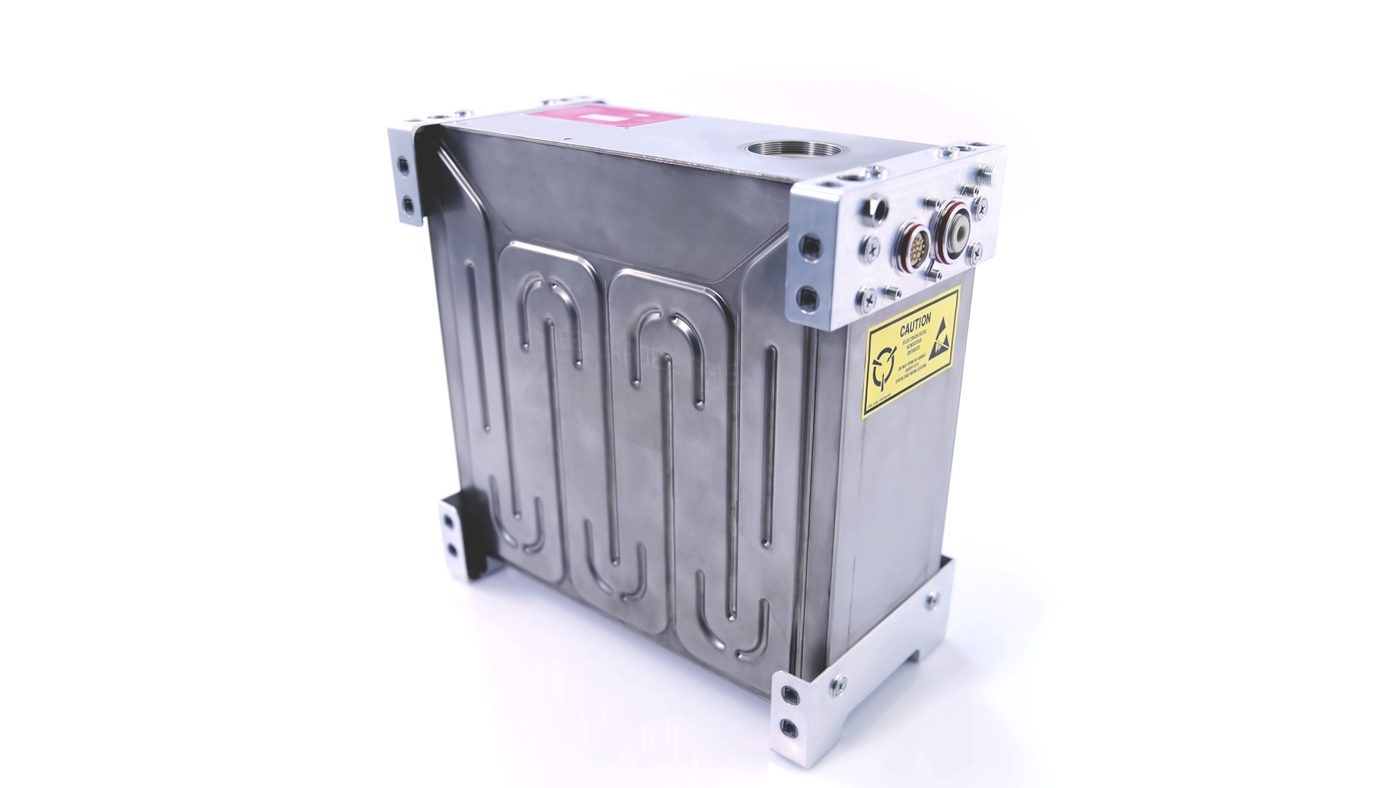
Electric Power Systems (EPS), in North Logan, Utah, makes battery systems for electric aircraft. In 2024 it had a new generation to announce: EPiC 2.0, a module that stores more energy for its weight. EPS's leadership wanted the industry to see EPiC 2.0 as the next step in electric aviation, and EPS as the company leading it, in time for AERO Friedrichshafen in Germany in April 2024.
EPS chose the message and set the date. KAIA, which has worked with EPS since 2021, made the launch: the film, the press release, the social media posts, the website updates and the brochure for the booth.
The Challenge
A new aerospace product usually gets one show to make its case. Buyers walk past dozens of announcements there, and they check every claim. When EPS started the launch, its website still presented EPiC 1.0, and there was no launch film, press release, social media campaign or booth brochure. A small marketing team would run the launch, and EPiC 2.0 was still in development, so every claim had to match what EPS's engineers stood behind.
The Solution
Solution: Launch a new product to your market
You've built a better product, and you have one show to announce it. Buyers walk past dozens of announcements there, and they check every claim.
A launch has to say why the product is better, and say it the same way in the film, the press release, the booth and the website.
How KAIA does it:
- Find the number buyers compare first. We ask your engineers and your sales team which number buyers ask about first, and build the launch on it.
- Tell one story in every piece. The film, the release, the posts, the website and the booth all say the same thing in the same order.
- Point every piece to one launch date. The teasers lead to launch day, the posts during the show lead to the booth, and the posts after it lead to the release.
What KAIA did
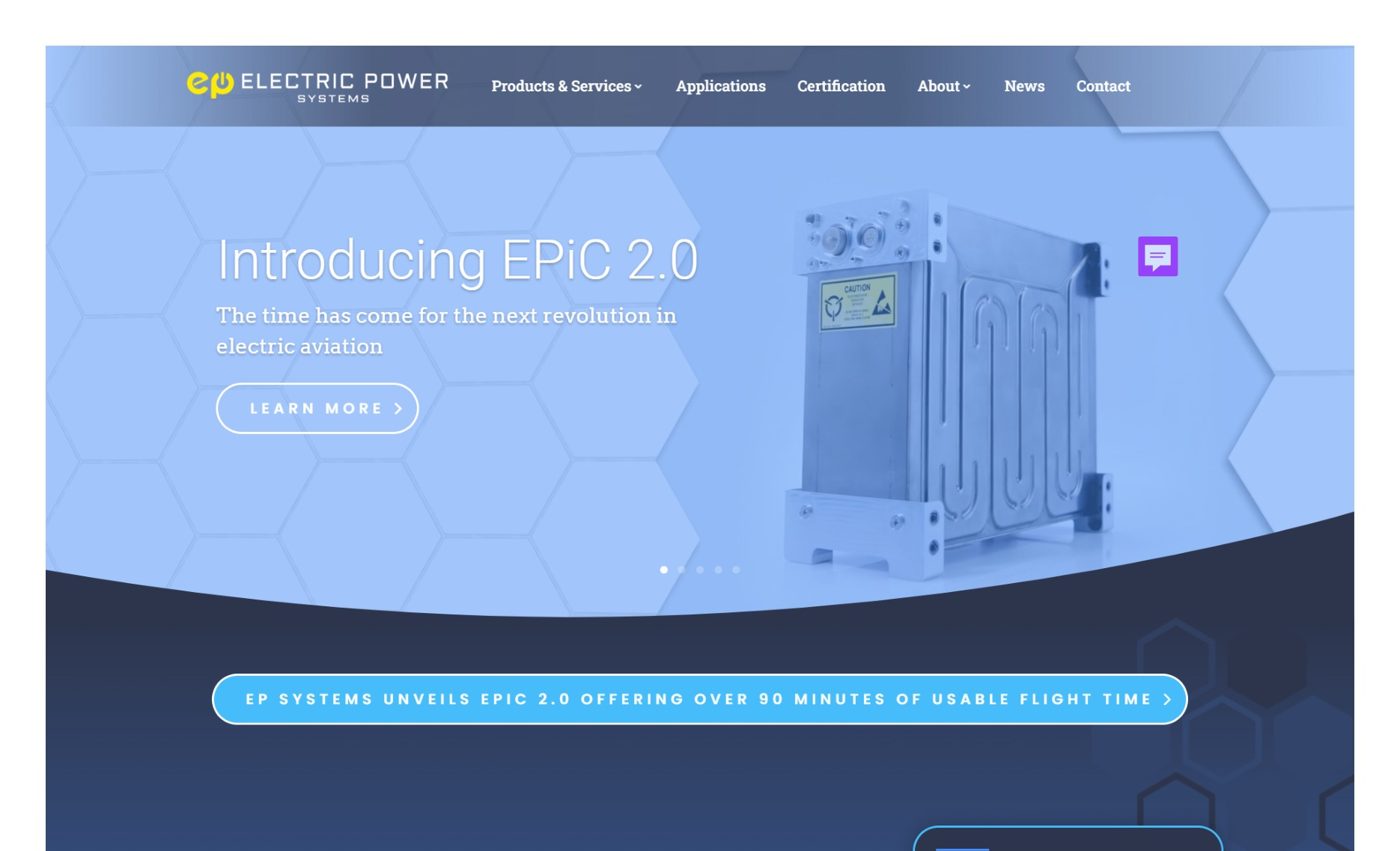
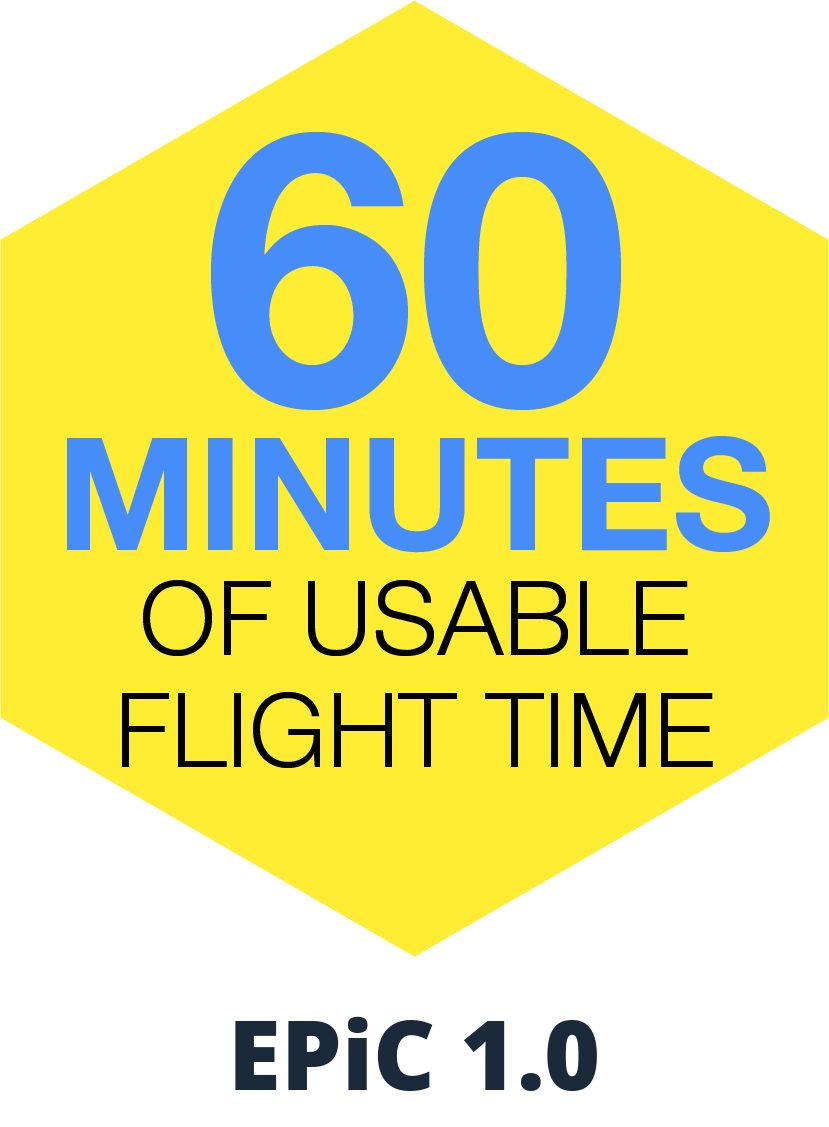
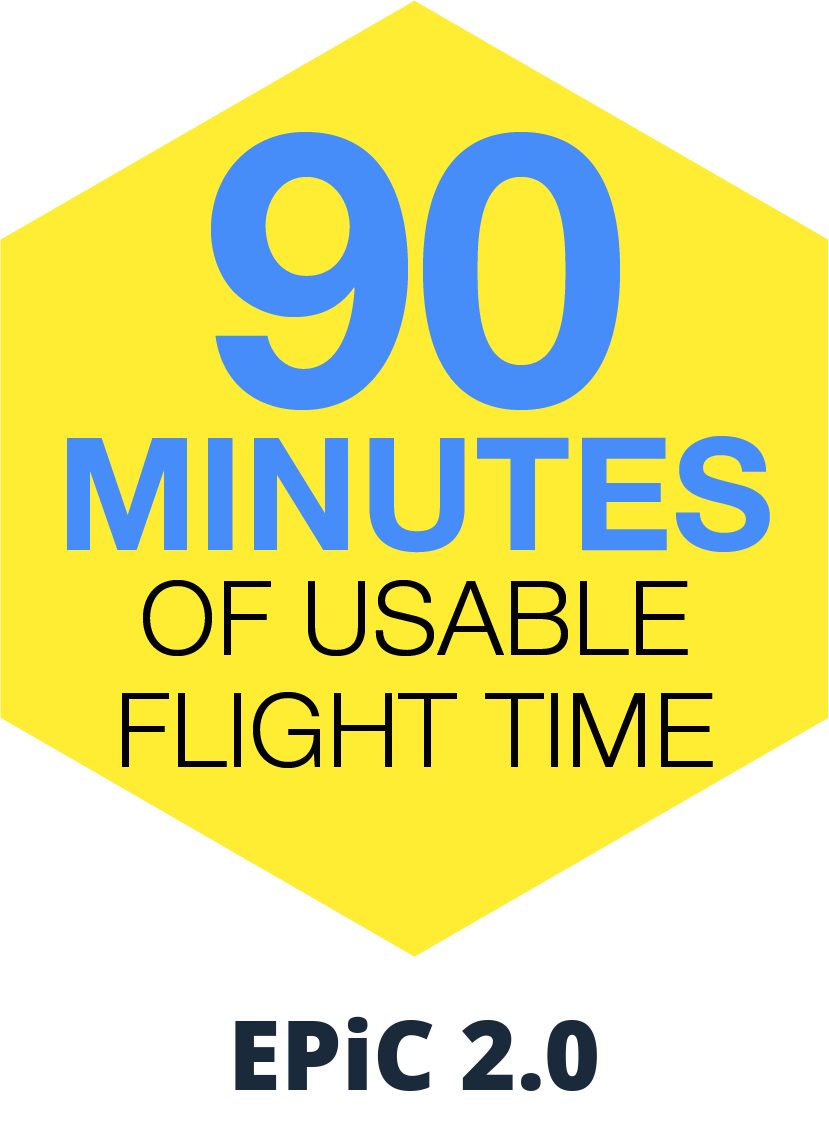
- We led with the number buyers compare. At the start, EPS named usable flight time as the number its buyers compare first. We built the website graphics, the film's main graphic and the release headline on it.
- We showed what the number lets buyers do. The launch film showed that the extra half hour more than doubles the area of airports within reach, and the launch posts asked, “What will you do with 30 additional minutes of flight time?”
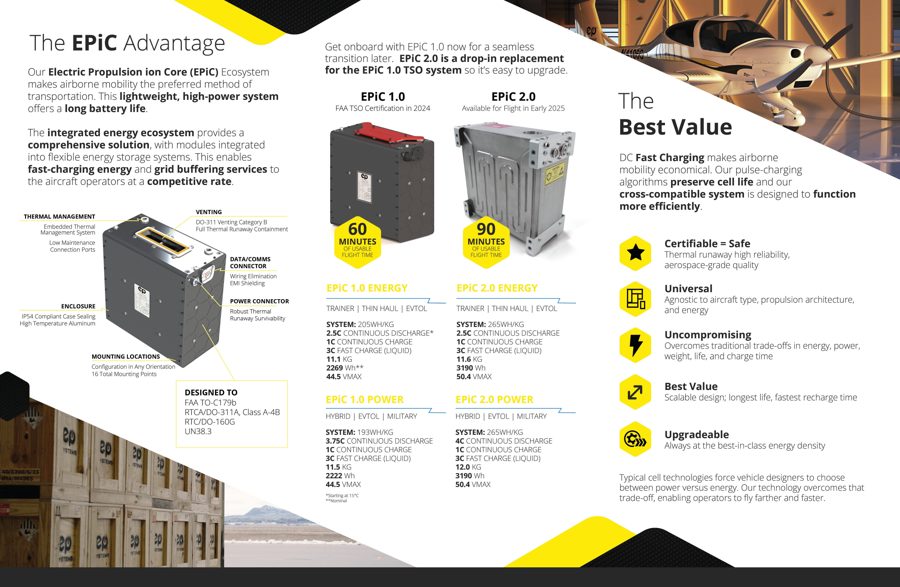
- We told the same story online and at the booth. The website set EPiC 1.0 and EPiC 2.0 side by side, and the brochure for the booth carried the same comparison.
- We pointed everything to one date. A clock on EPS's home page counted down to April 15, four teaser posts each ended on that date, and posts during the show sent buyers to the EPS booth.
Buyers compare products on a few numbers they already know. Build the launch on the one they ask about first.

Set a 45-minute call about how to launch a new product to your marketBack to the five results ↑
Solution: Be seen as the leader of your market
In aerospace, the people who check your claims are engineers: your customers' engineers, your partners' engineers and the regulators who certify what flies. A line they question sends the whole piece back to the start.
When every claim starts from your own specifications, and the people who built the product explain it in their own words, the market hears a company that knows exactly what it has built.
How KAIA does it:
- Start from your specifications. Every line traces back to a fact your engineers have specified.
- Interview the people who built it. Your leaders and engineers, and people who see the product from the customer's side.
- State exactly where the product stands. Development and certification status, said the way your engineers would say it.
What KAIA did
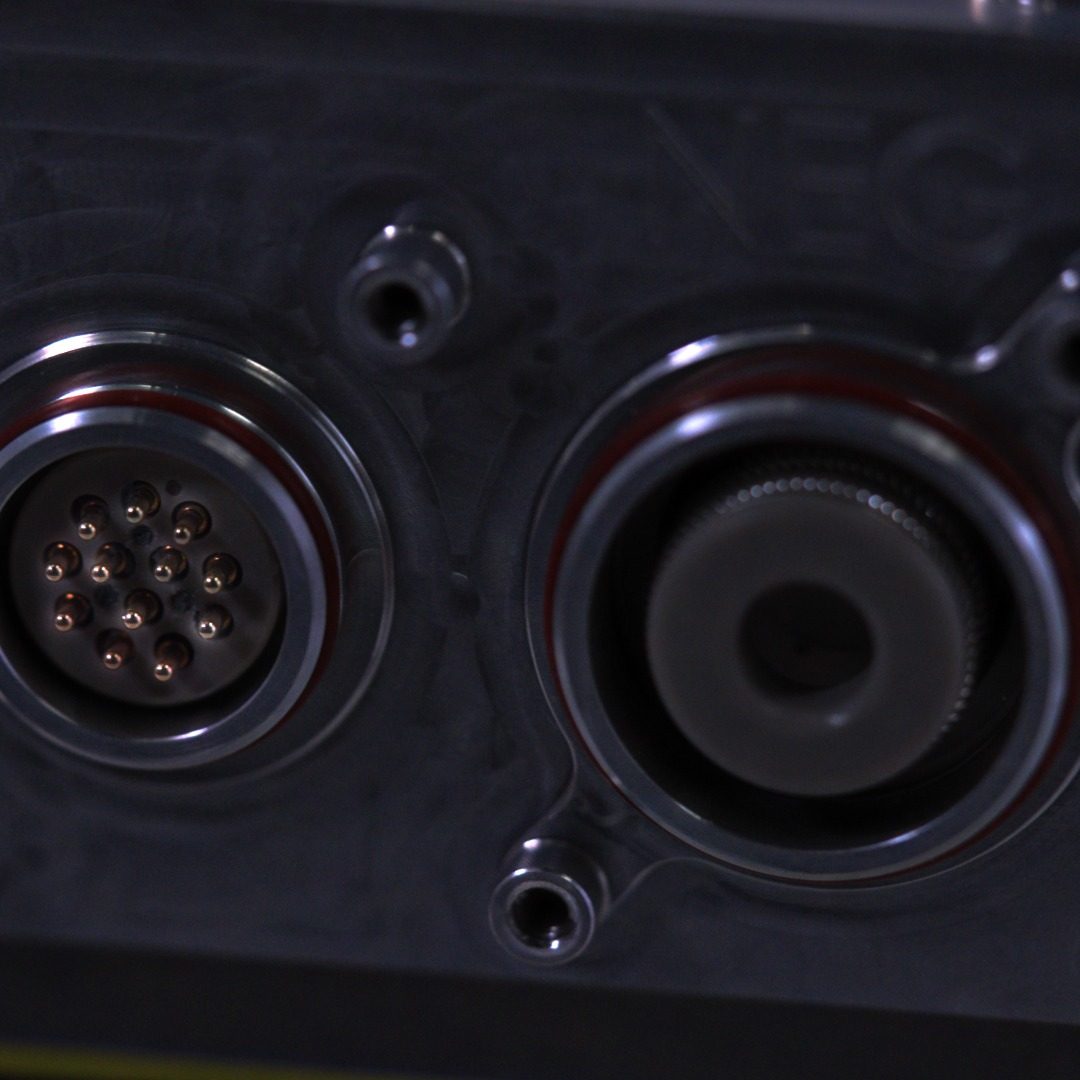
- We built every claim from EPS's specifications. More energy for the weight, connector and cooling designs that manage heat in each module, and a drop-in replacement for EPiC 1.0. The film ended on the upgrade path: “Get on board now with EPiC 1.0, then upgrade to 2.0 later.”
- We interviewed ten people. Seven at EPS, from the chief executive and the chief technology officer to the engineers who lead energy storage and high-voltage protection, and three outside: Utah's state aeronautics director, a Utah Valley University professor who trains pilots and a local business owner. Their words became the quotes in the release and the posts.
- We stated where the product stood. The release said EPiC 2.0 was in safety-of-flight development and when EPS expected it to be available for flight. EPS's program lead checked the technical lines, its VP Product gathered leadership's comments, and its marketing lead ran the approvals.
When the story starts from the specification, your marketing team never has to defend a line your engineers would question.
Set a 45-minute call about how to be seen as the leader of your marketBack to the five results ↑
Solution: Show buyers you can deliver
Customers buying parts for an aircraft want to know the supplier can build what it sells and support it. Investors ask their own version of the same question: can this company deliver?
Showing the plant, the products and the people who build them answers it, and the same footage can keep working long after the launch.
Why it pays:
- Buyers see where it's made. Seeing your plant and your people shows buyers where the product is made and who makes it.
- One shoot supplies many pieces. Footage planned for more than the launch film keeps your marketing supplied after the show.
What KAIA did
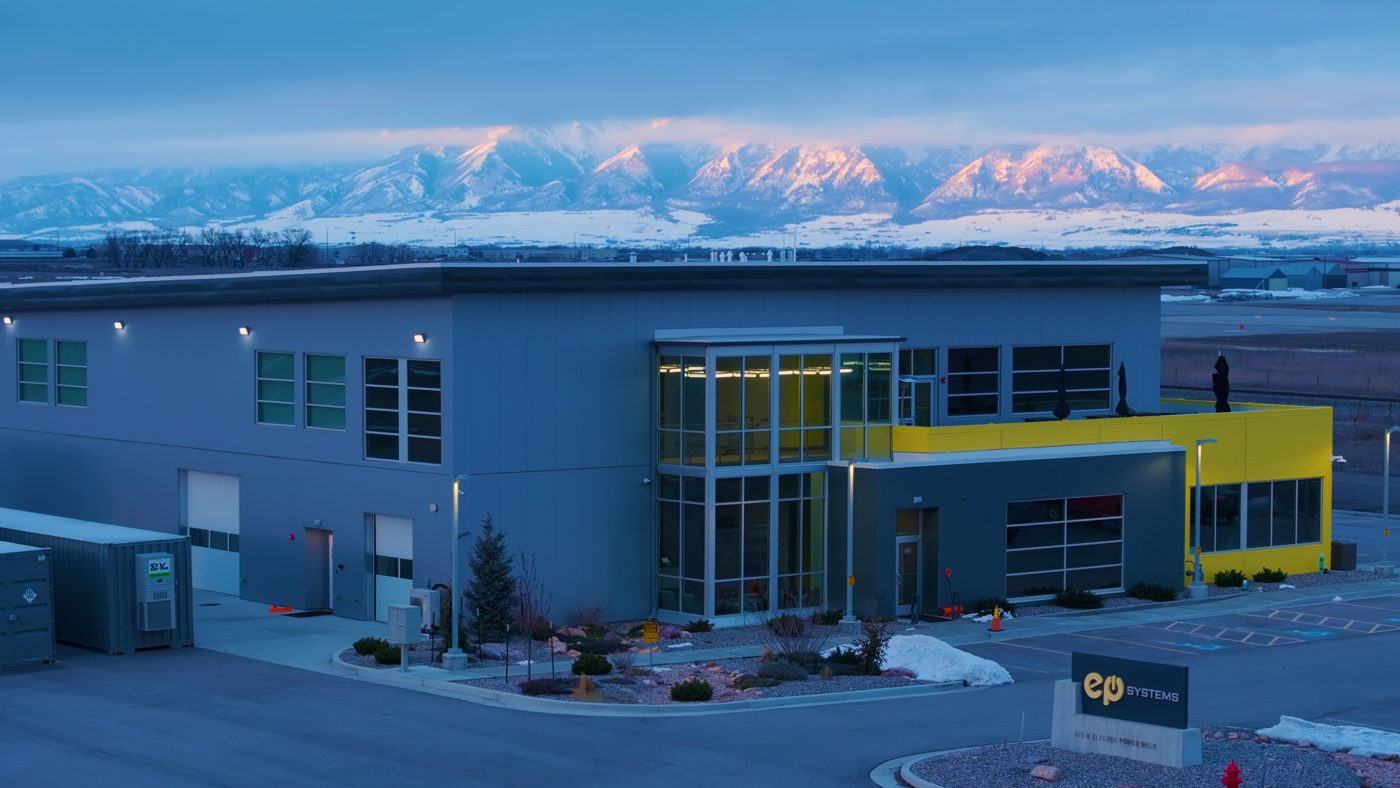
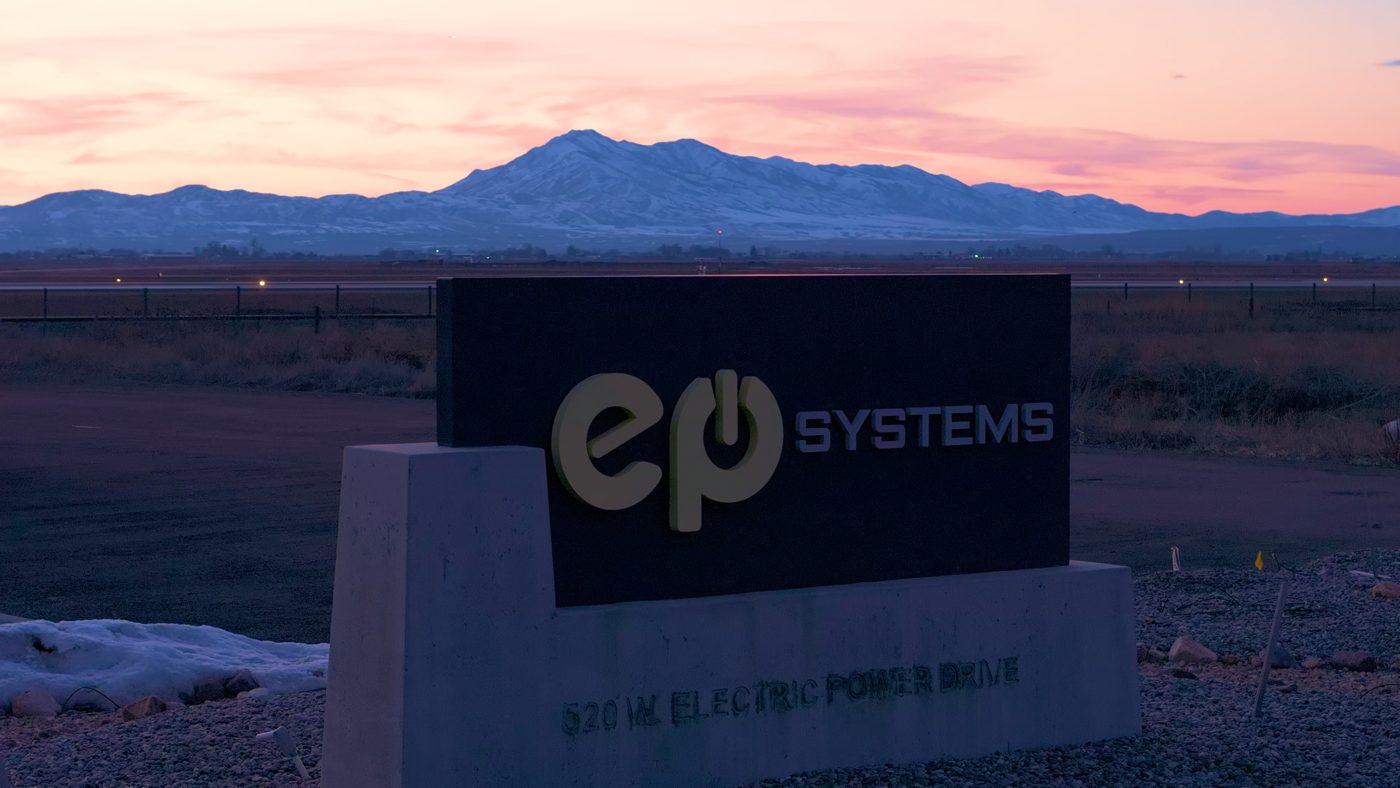
- We filmed the plant and its people. In March 2024 we filmed the production floor, each product on a turntable, the hangar, the aircraft on the ramp, and the buildings from the air at sunrise and sunset.
- We planned it for more than the launch. We shot for everything EPS's marketing might need after the show, not only for the film.
Plan the launch shoot for the marketing that comes after the launch.
Set a 45-minute call about how to show buyers you can deliverBack to the five results ↑
Solution: Earn investor confidence
You need investors to back the next stage of your company. An investor considering your next round reads your presentation, then checks your website, your press coverage and your social posts, and listens to how your team talks about the company.
When your investor presentation tells the same story as everything your customers see, investors meet the same company your customers already trust.
Why it pays:
- Investors check your story against everything else. The presentation is only one of the places they look.
- In aerospace, investors are often customers. Boeing invested in EPS and also bought its battery packs.
What KAIA did
- We helped with EPS's investor presentations.
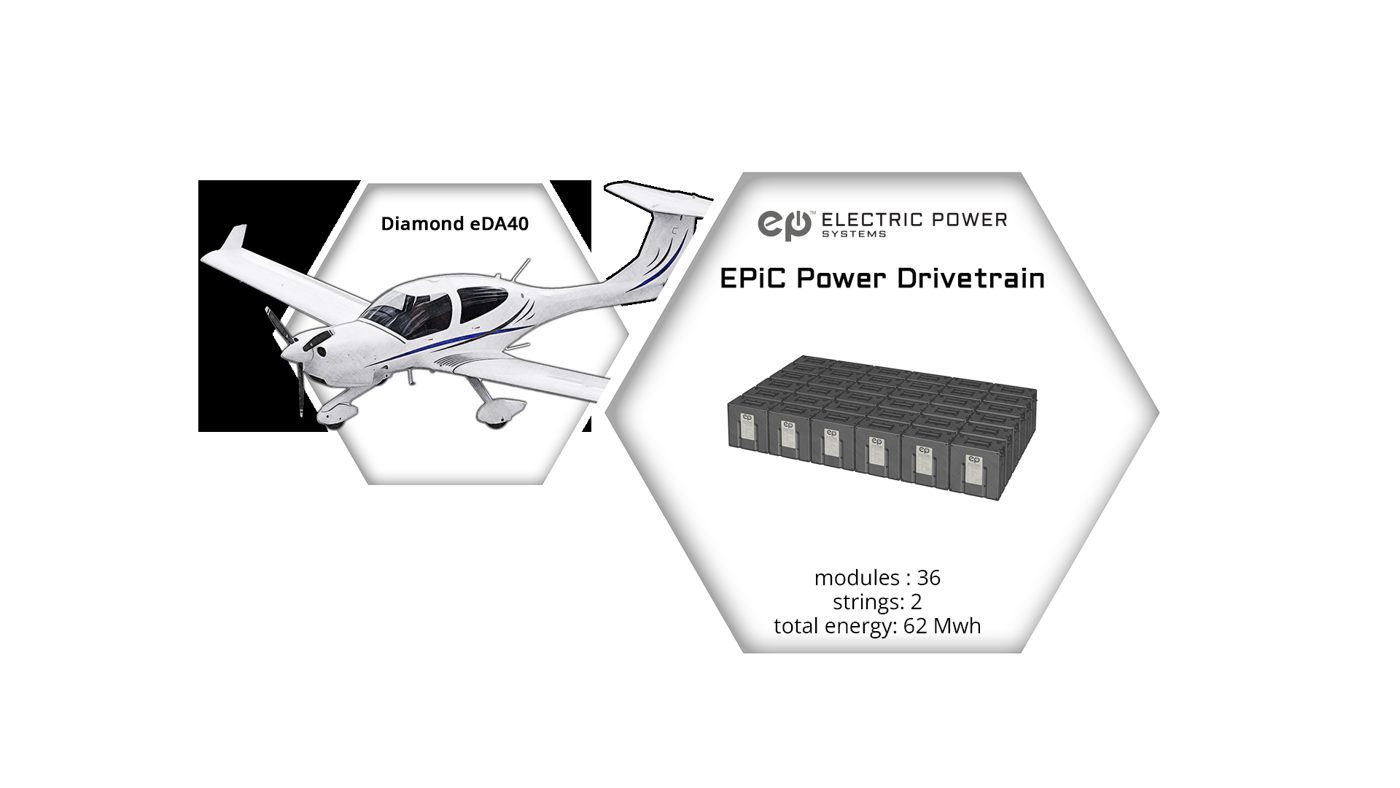
- We showed one module fitting many aircraft. We made an animated video showing the same EPS battery module fitting 13 different aircraft.
Set a 45-minute call about how to earn investor confidenceBack to the five results ↑
Solution: Be found by buyers who are looking
Your buyers are searching for what you make. If your company doesn't appear in those searches, they find a competitor first, even if you lead your field.
A search program makes sure the buyers already looking for what you make find your company.
How KAIA does it:
- Learn how your buyers search. We find the words they type when they look for what you make.
- Fix what keeps your site from ranking. We fix the technical problems that hold the site back.
- Earn mentions from respected sources. Other sites pointing to yours tell search engines your company matters.
What KAIA did
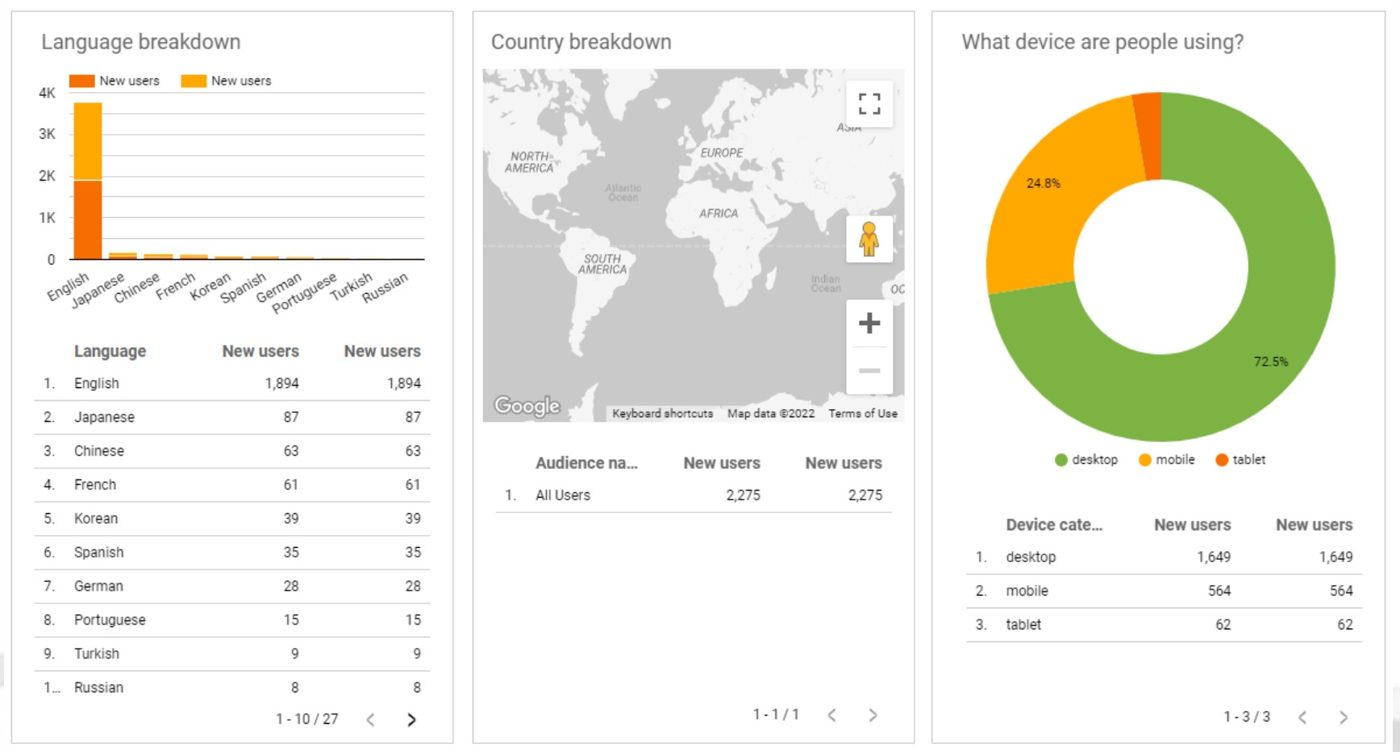
- We found the words EPS's buyers searched.
- We fixed the website and made sure buyers searching for EPS by name found it first.
Set a 45-minute call about how to be found by buyers who are lookingBack to the five results ↑
The Outcome
EPS chose its message, set its date and announced EPiC 2.0 in time for AERO. KAIA is proud to have helped, from the first interview to the brochure at the booth. Here is the result for each of the five:
Show buyers why your new product leads its field. KAIA's Emmy Award-winning team has spent 30 years explaining technology to the people who buy it and fund it. Click here to set up a 45-minute call about your next product launch.